
Safety Solutions
Built for Work
OSHA training
Fall protection
Crane and rigging
Scaffold safety
Excavation safety
Concrete and masonry safety
Silica awareness and controls
Heavy equipment safety & Simulation
Supervisor and competent person training
Testing and Assessment
Local regulatory training (NYC, CAL)
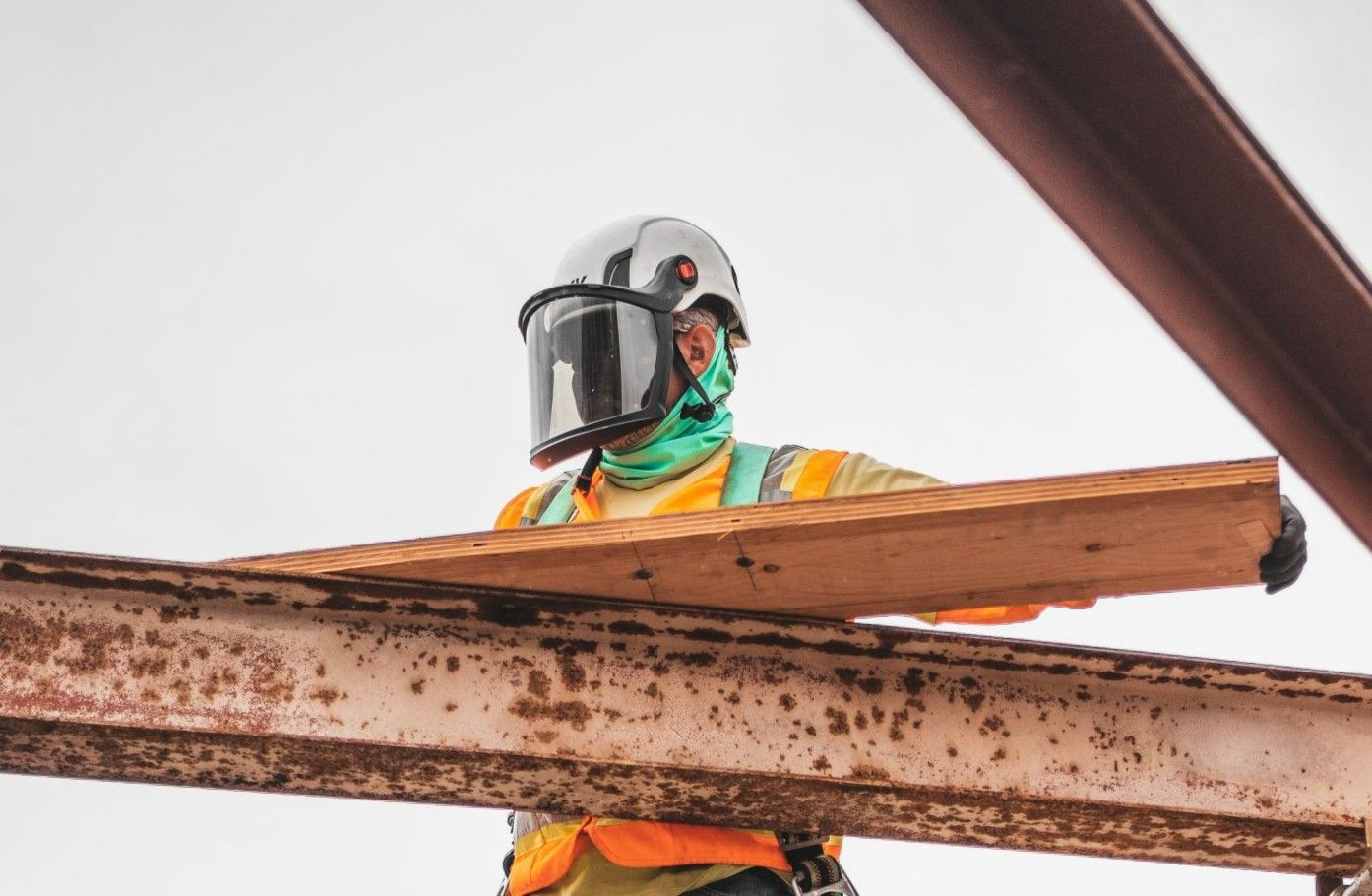
Construction brings trades together
";
On every jobsite, many trades work side by side and schedules overlap. We support safety education for major buildings; (residential and commercial builds), interior fit-outs, renovations, demolitions, roadway and bridge work, utilities, and public infrastructure projects.
;
";
;
Know the Hazards Before the Work Begins
STRUCK-BY
Workers can be injured when they are hit by moving equipment, vehicles, materials, tools, or suspended loads.
FALLS
Falls are a leading construction hazard and can happen whenever workers are exposed to elevated surfaces or unprotected openings.
CAUGHT IN OR BETWEEN
These hazards occur when workers can be caught, crushed, compressed, or trapped between objects, equipment, or structures.
ELECTROCUTION
Electrical hazards can expose workers to energized equipment, power lines, temporary electrical systems, and damaged tools or cords.
Sitework & Excavation
Utility locating, trenching, and heavy equipment work often happen fast and close together. Focus on soil conditions, access and egress, spoil placement, and keeping people out of swing and travel paths.
Concrete & Formwork
Rebar, form setting, pours, and stripping bring crush points and struck-by risks. Pay attention to shoring and reshoring needs, pour sequencing, housekeeping around hoses, and safe movement on wet or uneven surfaces.
Structural & Steel
Connecting steel and decking puts crews at height with moving loads overhead. Keep fall protection plans clear, control drop zones, use tag lines as needed, and confirm stable connections before releasing a load.
Cranes & Lifting
Lifts fail when planning is rushed or communication breaks down. Confirm lift plans where required, choose the right rigging, maintain clear signals, keep unauthorized workers out of the load path, and watch for power lines.
Scaffolds & Elevated Work
Falls happen during access, setup, and changes in the work area. Verify planking, guardrails, ties, and load limits, keep access ladders in place, and inspect after storms, impacts, or any changes.
Specialty Contractors
MEP, fire protection, glazing, and other trades often work in tight spaces with multiple crews nearby. Coordinate work zones, manage cords and hoses, control hot work and penetrations, and keep exits and access routes clear.
Safety Has to Work Where the Work Happens
Site conditions change fast. Your safety program has to keep up, so training turns into day-to-day habits, not just a certificate.
Training matters most when it shows up on the job.
Crews change, trades overlap, and new hazards appear as the work progresses
A safe plan on Monday can be wrong by Wednesday if tasks, access, or materials change
Supervisors need clear steps for daily pre-task planning and short, focused huddles
Workers need simple checks they can use in the moment: access, housekeeping, PPE, and controls
Reporting near-misses and fixing small issues early helps prevent serious incidents
Training, tools, and support you can use on the jobsite
On demand Courses
Copyright © 2025