
GENERAL INDUSTRY SAFETY
Safety Training Built for the Work You Do
Safety Solutions
How We Help
- Hazard Recognition — Help workers identify common hazards before they become incidents.
- OSHA Compliance — Build training around applicable
- OSHA requirements and workplace responsibilities.
- Job-Specific Training — Address the equipment, processes, materials, and risks unique to your operation.
- Worker Engagement — Make safety information practical, clear, and relevant to the people doing the work.
- Emergency Preparedness — Prepare employees to respond effectively when something goes wrong.
- Continuous Improvement — Use training, inspections, and incident lessons to strengthen your safety program.
Training for Every Role in Your Workplace
Safety Managers & Directors
Lead workplace safety programs and need training that supports hazard control, compliance, and worker protection.
Supervisors & Managers
Oversee daily operations and need to recognize hazards, enforce safe work practices, and respond to safety concerns.
Maintenance & Facilities Teams
Work directly with equipment, energy sources, chemicals, and building systems where specialized safety procedures are essential.
Machine & Equipment Operators
Operate machinery, vehicles, and other equipment where proper training can help prevent injuries and equipment-related incidents.
Warehouse & Material Handling Workers
Handle materials, operate powered equipment, and work around vehicles, storage systems, and loading areas.
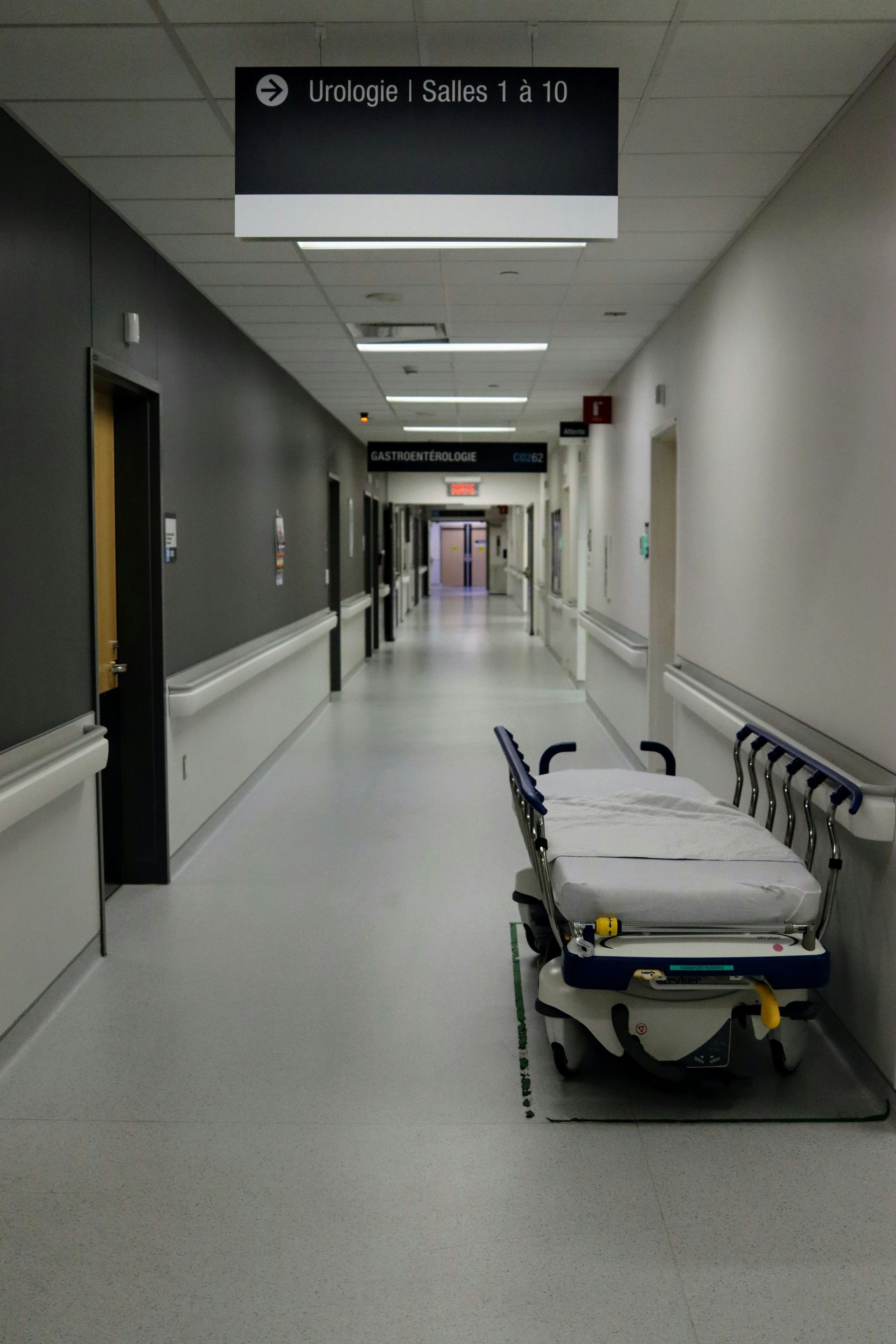
Healthcare & Support Staff
Face hazards involving patient care, chemicals, infectious materials, ergonomics, and emergency situations.
Utility & Field Workers
Work around electrical systems, equipment, hazardous energy, environmental conditions, and other field hazards.
New & Experienced Employees
Whether starting a new job or refreshing existing knowledge, workers need training that keeps safety practices current.
Industries and Workplaces
Manufacturing
Machinery, lockout/tagout, machine guarding, chemicals, ergonomics, forklifts, and PPE.
Warehousing & Distribution
Powered industrial trucks, material handling, loading docks, ergonomics, walking-working surfaces, and emergency response.
Healthcare
Bloodborne pathogens, hazardous drugs, respiratory protection, workplace violence, ergonomics, and infectious disease exposure.
Utilities & Energy
Electrical safety, hazardous energy, confined spaces, fall protection, PPE, and chemical hazards.
Key Safety Hazards
Common workplace hazards you should recognize fast
-
Machine & Equipment Hazards — moving parts, caught-in hazards, machine guarding
-
Lockout/Tagout — Hazardous energy must be isolated before servicing or maintenance begins.
-
Electrical Hazards — Contact with energized equipment, damaged wiring, or improper electrical work can cause shock, burns, or fires.
-
Slips, Trips & Falls — Wet floors, clutter, uneven surfaces, and poor housekeeping can lead to injuries.
-
Chemical Hazards — Chemicals can cause burns, poisoning, fires, or other health effects when they are not properly controlled.
-
Forklifts & Powered Industrial Trucks — Improper operation, unstable loads, and poor traffic control can result in struck-by or tip-over incidents.
-
Material Handling & Ergonomics — Lifting, pushing, pulling, and repetitive tasks can cause strains and other musculoskeletal injuries.
-
Fire & Explosion Hazards — Flammable materials, combustible dust, and ignition sources can create serious fire or explosion risks.
-
Respiratory & Airborne Hazards — Dusts, fumes, vapors, gases, and other airborne contaminants can affect workers when exposure is not controlled.
-
Emergency & Workplace Violence Risks — Workers need clear procedures for emergencies, evacuation, first aid, and potential workplace violence.
Copyright © 2025