
Telecommunications & Digital Infrastructure Safety
Write your awesome label here.
Safety for Connected Infrastructure
Build Safer Connections
From the Field to the Facility
Every Worksite
Your crews move between very different environments. We train for the hazards that change with the setting:
Towers and poles: climbing, rigging, drop zones
Trenches: soil conditions, access, spoil piles
Roadsides: traffic control, spotters, visibility
Rooftops: edges, anchors, material handling
Data centers: controlled access, overhead work, cable pathways
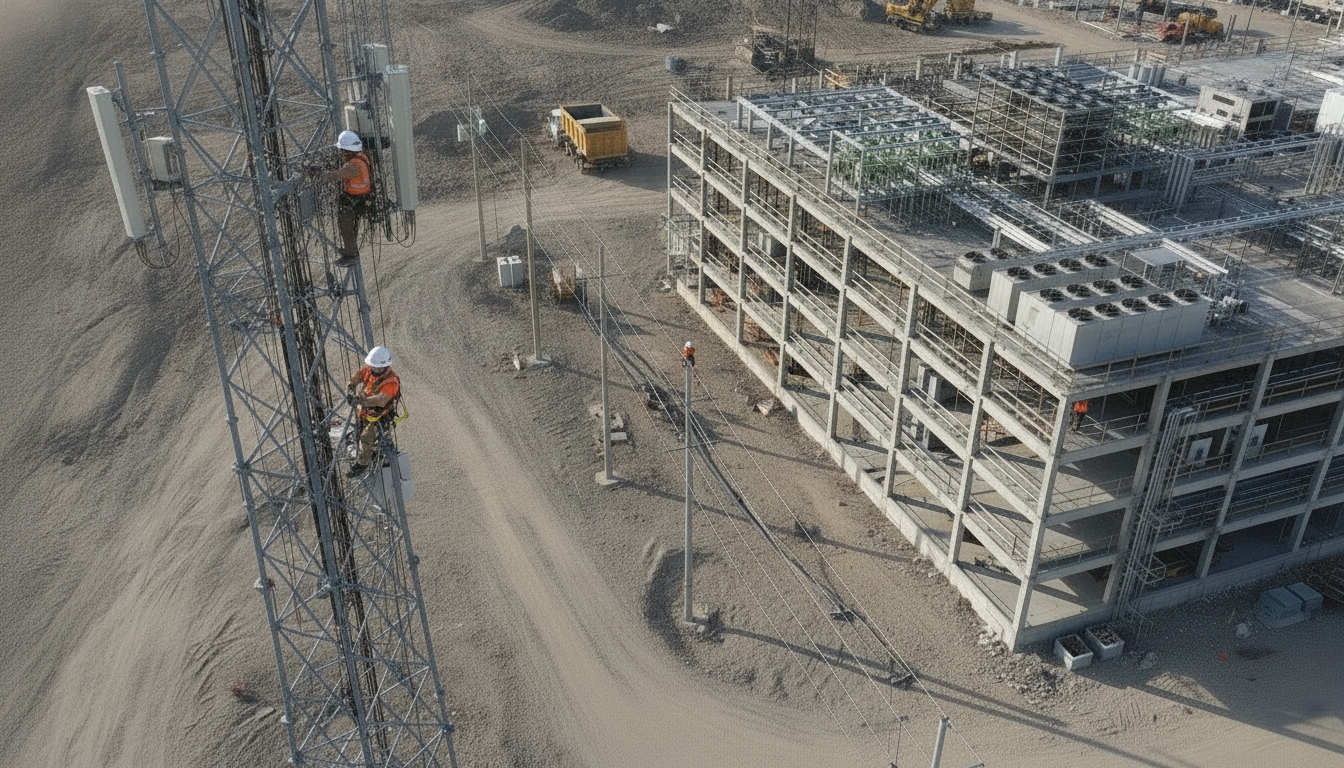
Telecommunications & Wireless
Telecom workplace safety
Telecom work moves fast and often happens at height. You may climb cell towers, rig antennas, run coax, and support 5G upgrades. Typical hazards include falls, dropped objects, weather exposure, roadways near sites, and contact with energized equipment.
Where the risks show up
Common tasks include tower climbing and rescue planning, hoisting radios and mounts, swapping panels for 5G, working from bucket trucks, and setting up temporary work zones. Small mistakes can turn into serious injuries when you are 100+ feet up with tools and hardware.
Key challenges on every site
Three challenges we see again and again:
• Height work with changing conditions (wind, rain, ice, heat)
• Tool and material control to prevent dropped objects below
• Clear coordination between tower crew, ground crew, and other trades on shared sites
Imagery: tower crew in full PPE, climbing or rigging, with a clear skyline and visible fall protection.
Fiber & Broadband
Above Ground fiber work
Aerial fiber brings work at height and traffic exposure. Common tasks include strand and lash installs, pole transfers, bucket truck positioning, and working near energized overhead lines. Key risks: falls, struck-by from dropped tools, and vehicle near-misses in active streets.
Below Ground fiber work
Underground fiber often means trenching, conduit placement, and handholes/vaults. Hazards include cave-ins, buried utility strikes, water accumulation, and limited egress in excavations. Plan for safe access/egress, spoil pile placement, and utility verification before digging.
Jobsite risks and control checks
Fiber installs combine crews, equipment, and changing conditions. Watch for pinch points, pulling-tension injuries, trip hazards from reels and cords, and public interface near sidewalks. Use clear work zones, spotters when needed, daily briefings, and stop-work when conditions change.
Data Centers
Construction & operations
Data centers run 24/7, so construction and maintenance often happen next to live electrical and cooling systems. Work can include build-outs, equipment moves, cable installs, and housekeeping around active aisles. Planning, access control, and clear work zones keep people and systems safe.
Key hazards to control
Common risks include energized electrical parts, arc flash boundaries, exposed conductors, and stored energy in UPS and batteries. Add heat, chilled water piping, condensate, and tight clearances. Noise, trip hazards from temporary cabling, and restricted egress can turn small mistakes into shutdowns or injuries.
Typical tasks on site
You may be setting racks, pulling and labeling cable, installing ladder rack, core drilling, lifting with dollies or forklifts, or working overhead on busway and lighting. Use clean work methods, protect floor tiles, guard penetrations, and manage dust. Confirm permits, lockout/tagout roles, and escort rules before starting.
Safety Solutions Across Digital Infrastructure
Site Safety Plans
We help you set clear site rules for digital infrastructure work. You get a practical plan that matches the job steps, crew size, and site constraints, with responsibilities, inspections, and daily controls.
Job Hazard Analysis
We break the work into steps and identify hazards before you start. You get a JHA your crew can use in the field, with simple controls for access, drops, energy sources, and changing conditions.
Electrical Safety
We support safe work around temporary power, panels, and energized equipment. You get guidance on planning, barriers, and verification steps, plus clear do and do not rules for tools and cords.
Traffic Control
We help you manage vehicles and pedestrians during street, sidewalk, and loading dock work. You get a setup plan, signage needs, and roles for spotters so crews can work without stepping into traffic.
Safety every step of the way
How we support safer work across your projects
Training
In-person or On-demand
Hands-on, jobsite-focused classes that help you spot hazards, follow required procedures, and make safer decisions in field and facility work.
Testing & Assessment
Verify skills
Knowledge checks and assessments that confirm you understand key topics and can apply them before you step onto the worksite.
Workplace Support
Jobsite help
Support for supervisors and teams with practical input on training needs, documentation readiness, and safer routines that fit real schedules.
Build a Safer Workforce
Copyright © 2025