
Safety Solutions Overview
Maritime-Ready Training
OSHA training
Fall protection
Working around water
Crane and rigging
Confined space
Hazard communication
Electrical safety
Hot work
Heavy equipment
PPE
Supervisor training
Testing and assessments
Digital resources
Maritime Safety, Made Practical
Train for real waterfront hazards so you can spot risks early, follow requirements, and keep crews safe during daily marine operations.
Waterfront-ready training
Who this training supports
The Maritime Workforce
Vessel Crews
Onboard teams
Deckhands, engineers, and watchstanders working around lines, ladders, hatches, and confined spaces. You need clear procedures for routine tasks and emergencies.
Shipyard Workers
Build and repair
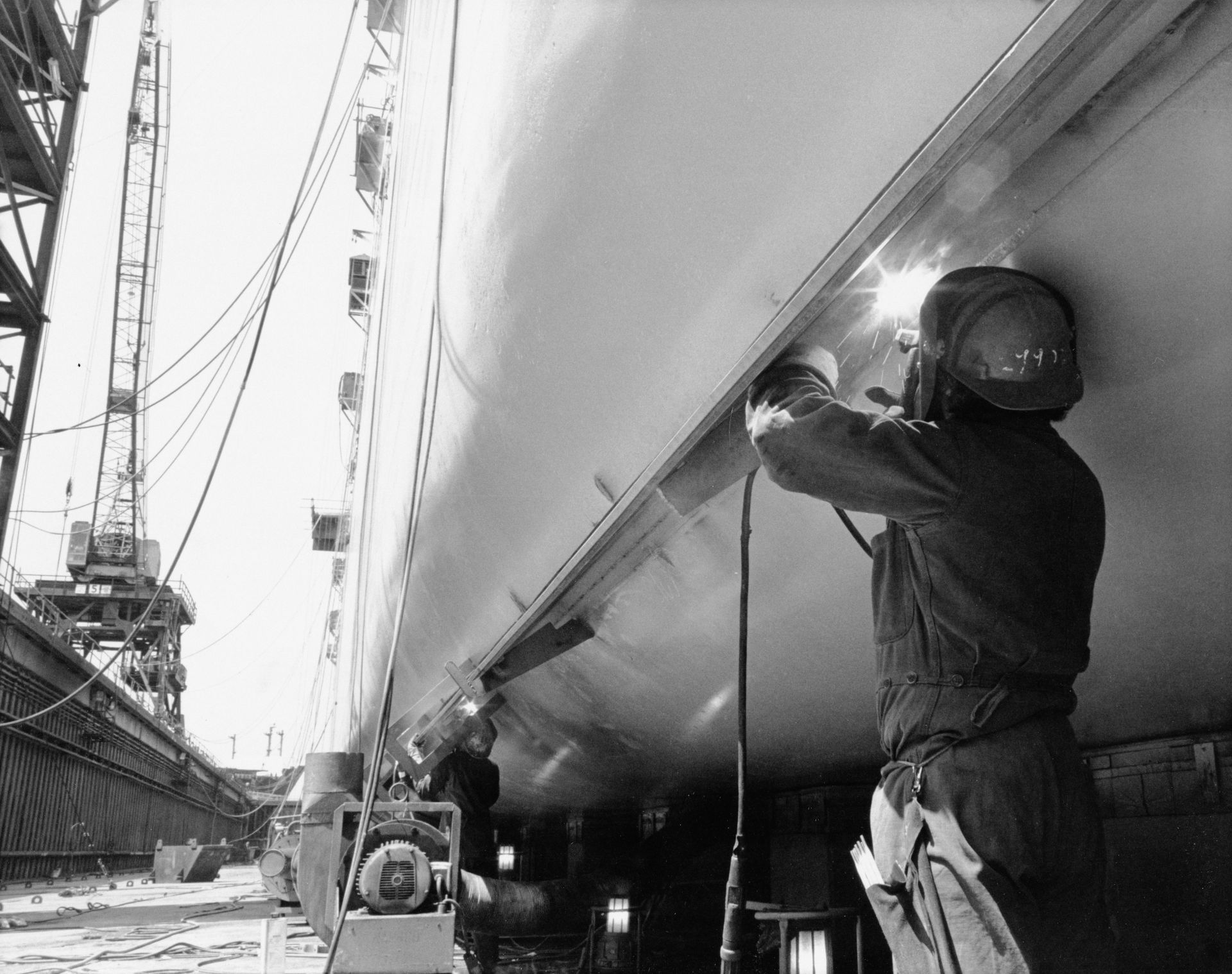
Welders, fitters, painters, and mechanics working with hot work, heavy parts, and tight spaces. You need controls for ventilation, fire watch, and access.
Waterfront Operations
Move cargo safely
Dock workers, contractors, equipment operators, crane operators, riggers, supervisors, safety professionals, and competent persons coordinating lifts, traffic, and changing site conditions.
What maritime work includes
";
Maritime work covers more than being on a vessel. It includes a wide mix of job sites, equipment, and tasks across the waterfront. Knowing where the work happens helps you plan safety controls before work begins.
 ;
";
;
;
";
;
Shipyards
Work during vessel building and repair, often with hot work, lifting, staging, and tight spaces. Conditions can change fast as trades overlap and access routes shift.
Marine Construction
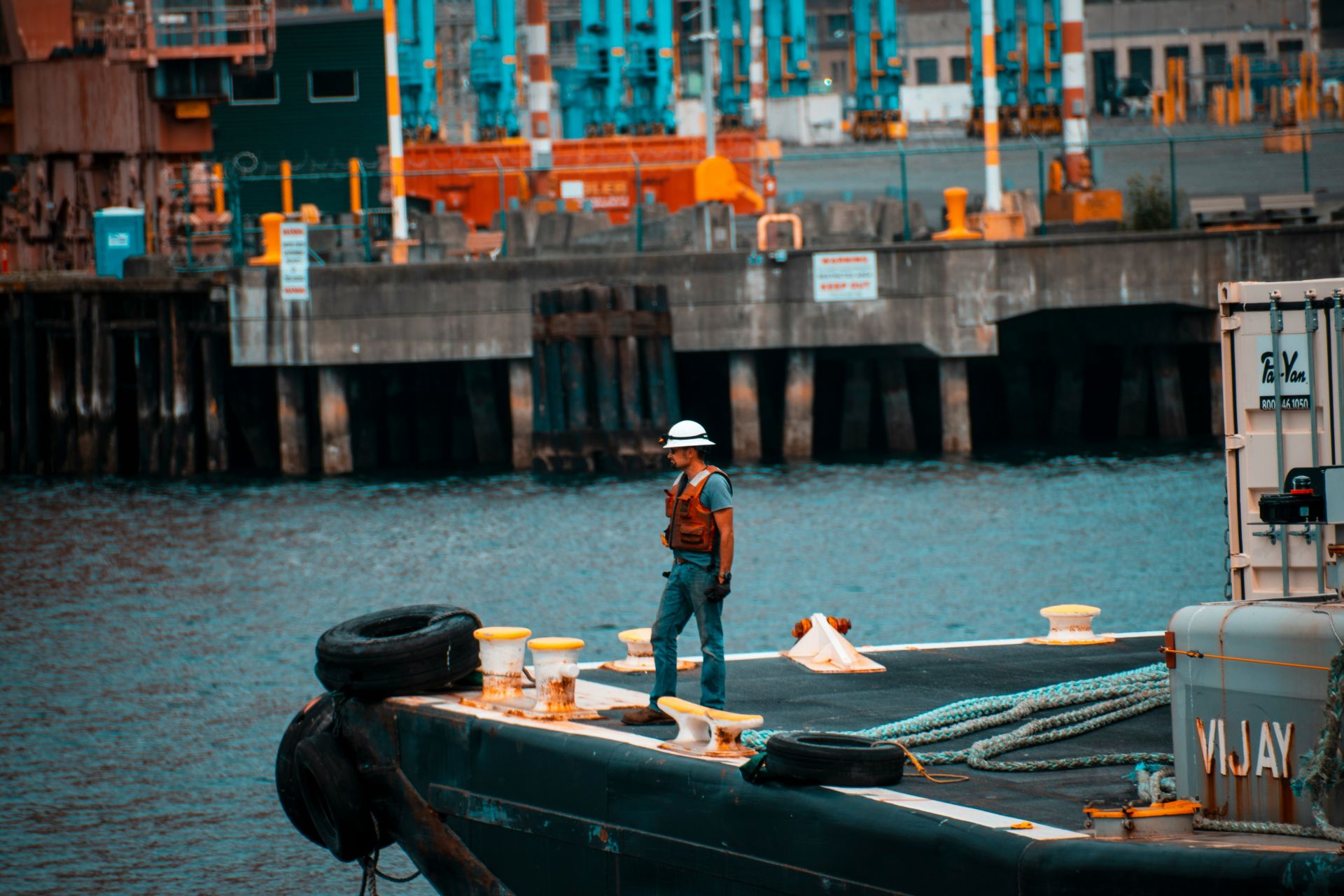
Work on docks, bulkheads, bridges, and in-water structures. You deal with changing tides, moving equipment, barges, and work over or near water.
Ports & Terminals
Busy areas with trucks, cranes, containers, and multiple employers. Clear traffic control, communication, and safe walking routes matter every shift.
Vessel Operations & Maintenance
Work onboard during operations, inspections, and repairs. Expect moving machinery, lines under tension, noise, and restricted access while keeping the vessel running safely.
Waterfront Facilities
Work at piers, warehouses, fuel areas, and waterside plants. Watch for slip hazards, edge protection, changing weather, and shared spaces with vehicles and equipment.
Know the Hazards Before Work Begins
Falls
Plan how you will work at height before you start. Check ladders, scaffolds, lifts, and tie-off points. Keep edges guarded. Stop and reset if the work setup changes.
Overboard
Protect open edges and water access points. Use approved personal flotation when required by your plan. Set up rescue gear and a recovery method. Keep spotters where visibility is limited.
Slips
Wet decks, mud, ice, and loose debris cause fast falls. Mark slick areas. Use proper footwear. Clean as you go. Route hoses and lines so they do not cross walk paths.
Cranes
Confirm the lift plan, signals, and travel path. Keep clear of swing radius. Check outriggers and ground conditions. Never stand under the boom or near pinch points while loads move.
Safety Has to Work Around Changing Conditions
From Training to the Workplace
Training
Instructor-led classes that teach safe work steps for real maritime tasks.
Testing & Assessment
Quick knowledge checks so you can confirm understanding before work starts.
Digital Resources
Downloadable tools you can use on site: checklists, quick guides, and reminders.
Workplace Support
Help for supervisors and crews to apply training on the waterfront and at terminals.
Copyright © 2025